

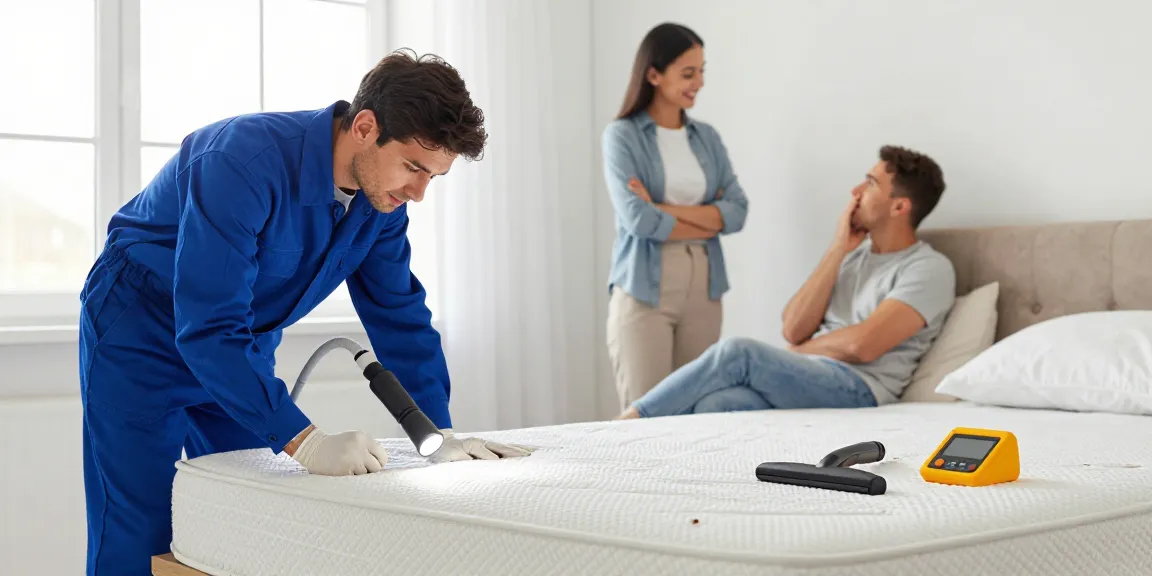
Understanding Bed Bugs and Their Impact on Homes
Bed bugs are tiny, elusive pests that can wreak havoc in our homes, causing not only discomfort but also significant emotional distress. Recognizing their presence early is crucial for effective bed bug removal. In this article, we will delve into the nature of these pests, their behavioral patterns, and the importance of timely intervention to eliminate them from our living spaces.
What Are Bed Bugs and How Do They Infest?
Bed bugs, scientifically known as Cimex lectularius, are small insects that feed on human and animal blood. Adult bed bugs are about the size of an apple seed, typically brown and flat, which allows them to hide in tight spaces. They can infest various environments, thriving in homes, hotels, and even public transportation. Bed bugs are dexterous hitchhikers, often unknowingly transported via luggage, clothing, and second-hand furniture.
Common Symptoms of Bed Bug Infestation
Identifying a bed bug infestation can be tricky as they tend to be nocturnal. Common signs include:
- Bite Marks: These often appear as itchy red welts, frequently in a line or clustered pattern.
- Blood Stains: Small brownish or reddish spots on bedding and mattresses may indicate crushed bed bugs.
- Dark Spots: Fecal matter appears as tiny black dots on bedding and furniture.
- Eggs and Shells: Small, pearly-white eggs and shed skins can be found in crevices.
The Importance of Timely Bed Bug Removal
Delaying bed bug removal can lead to a more extensive infestation, making it increasingly difficult and costly to eradicate these pests. Addressing the problem quickly can save your home and belongings from extensive damage and discomfort.
Effective Bed Bug Removal Strategies
Heat Treatment: An Eco-Friendly Approach
Heat treatment has become a favored method in bed bug eradication due to its effectiveness and eco-friendly nature. By raising the temperature of infested areas to above 120°F, both adult bed bugs and their eggs are killed. This treatment not only eliminates bed bugs but also reduces other allergens, making it a dual-purpose solution.
Chemical Treatments: Understanding the Options
Chemical treatments involve the use of insecticides to eliminate bed bugs. These can be highly effective when applied by licensed professionals. It’s crucial to choose the right product, considering factors such as:
- Residual effectiveness: Some treatments provide long-lasting protection, helping to prevent re-infestation.
- Environmental impact: Opt for chemicals that are less harmful to pets and humans.
Integrated Pest Management Techniques
Integrated Pest Management (IPM) combines various strategies for the most effective pest control. This may include:
- Regular monitoring of living spaces for signs of bed bugs.
- Combining chemical and non-chemical treatments for a comprehensive approach.
- Educating residents about bed bug prevention.
Preparing Your Home for Bed Bug Removal
Steps to Take Before Treatment
Preparation is key for effective treatment. Before the extermination process, homeowners should:
- Declutter rooms and vacuum to remove any loose bugs.
- Wash all bedding, clothing, and curtains in hot water.
- Remove and treat any infested items appropriately.
How to Limit Damage to Your Belongings
To further protect your belongings during treatment, consider using:
- Bed bug-proof covers for mattresses and pillows.
- Sealed storage for items that cannot be treated immediately.
- High heat sources, such as dryers, for infested clothing.
Creating a Safe Environment for Treatment
Ensure that all inhabitants—including pets—are safely removed from the treatment area. After treatment, maintain a clean environment to discourage re-infestation.
Post-Treatment Care and Prevention
How to Monitor for Bed Bug Recurrences
After treatment, regular inspections are vital to ensure that bed bugs do not return. Look for:
- New bite marks or signs of bedding damage.
- Visual inspections in common hiding spots around mattresses and frames.
Best Practices for Preventing Future Infestations
To minimize the risk of future infestations, homeowners should:
- Regularly inspect second-hand furniture before bringing it home.
- Use protective covers on mattresses and box springs.
- Educate family members about bed bug prevention techniques.
Utilizing Professional Follow-Up Services
Professional pest control services can provide follow-ups to ensure that no bed bugs remain after initial treatment. Utilizing these services can provide peace of mind and help maintain a bed bug-free environment.
FAQs About Bed Bug Removal
What should I do if I suspect bed bugs?
If you suspect an infestation, act quickly. Check for signs, contain the affected area, and contact a professional for an inspection.
Can I treat bed bugs without professional help?
While some DIY methods exist, professional treatment is highly recommended for effective elimination of established infestations.
How long does bed bug removal take?
The duration for complete bed bug removal varies. Treatments can take from a few hours to several sessions over weeks, depending on the severity of the infestation.
What are the signs that bed bug treatment worked?
Signs that treatment has been effective include the absence of bite marks, no visual evidence of bed bugs, and reduced sightings in monitored areas.
Are bed bugs dangerous to my health?
Bed bugs are not known to transmit diseases, but their bites can lead to secondary infections due to scratching and can cause significant stress and anxiety.
