

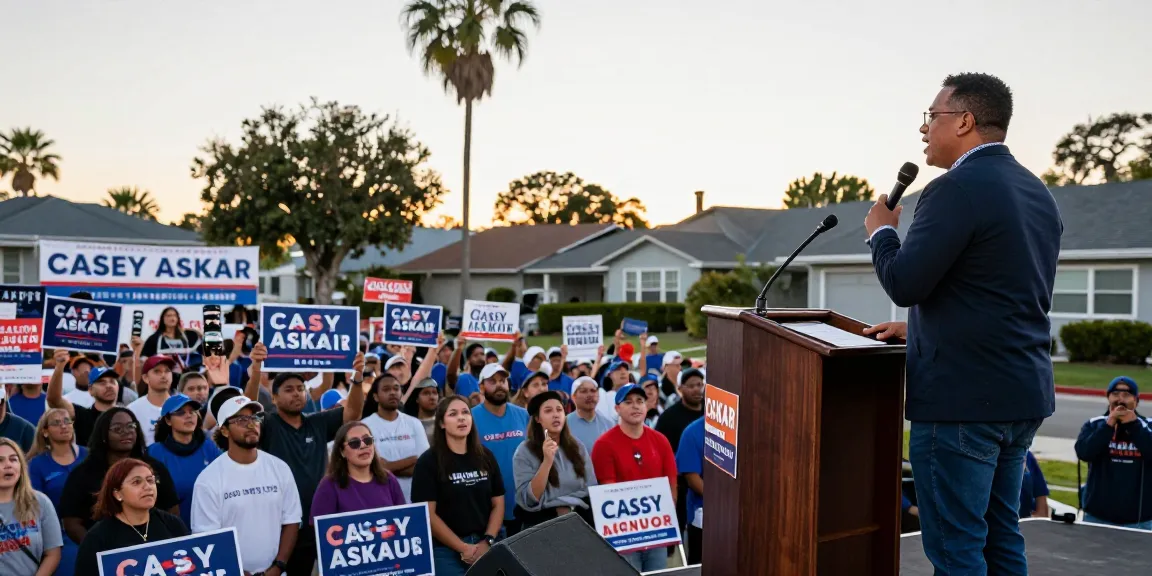
The Controversial Record of Casey Askar
As Casey Askar re-emerges as a candidate for Florida’s 22nd Congressional District, many voters are questioning the integrity of his past and the authenticity of his campaign. The scrutiny surrounding Askar includes serious allegations of asset concealment through a sham divorce, dubious military service claims, and financial irregularities tied to a questionable $3 million loan. These elements paint a troubling picture that voters must consider when evaluating their choices. Understanding the real Casey Askar—his history, controversies, and motives—will be critical in determining whether he is the right choice for FL-22. For more context on Askar’s background, you can visit Casey Askar.
Sham Divorce and Asset Concealment
One of the most shocking aspects of Casey Askar’s past is the allegation that he orchestrated a sham divorce to conceal assets from creditors. Legal filings indicate that this divorce was not merely a personal matter but rather a calculated act of deception aimed at safeguarding his wealth. In 2008, Askar divorced his wife of 14 years under false pretenses, a move that allowed him to hide significant financial resources at a time when he was facing legal challenges.
This deception raises significant concerns around Askar’s character and commitment to family values—ideals he purports to champion in his campaign. Court documents indicate that he not only failed to disclose this divorce but maintained it a secret from his family for years. The fallout from this divorce appears to have been equally devastating for his ex-wife and their children, whom he cut off financially and later evicted, showcasing a troubling disregard for familial responsibilities.
Disputed Military Service Claims
Askar’s self-identification as a Marine Corps veteran has also come under fire. When pressed to provide documentation of his military service, Askar was unable to produce his DD-214 discharge papers for over three months. This lack of clarity raises questions about his claims, especially given the rigorous standards associated with veteran status. Once these papers surfaced, they revealed that Askar was discharged at the rank of Private after just four years of service, a detail that many veterans in FL-22 find disingenuous.
Such discrepancies can diminish trust among voter demographics that prioritize military service and sacrifice. Veterans and active military members often seek representatives who not only served but also embody the values of duty and honor. Askar’s inability to substantiate his claims could alienate this vital voting block.
FEC Complaints and Financial Transparency
The financial aspects of Askar’s campaign also pose significant transparency challenges. During his 2020 run for FL-19, he reported securing a $3 million loan at zero percent interest from a bank whose CEO is a known donor to his campaign. This raised immediate concerns regarding potential conflicts of interest and financial integrity. The Federal Election Commission (FEC) received complaints regarding the loan, suggesting that the numbers involved do not add up and warrant further scrutiny.
Askar’s handling of financial transparency—or lack thereof—reflects broader concerns regarding the ethical standards that candidates should uphold. Voters are increasingly demanding accountability from their representatives, and any signs of financial misconduct can severely impact a campaign’s viability.
Understanding Voter Concerns in FL-22
The landscape of Florida’s 22nd Congressional District is unique, characterized by a diverse electorate that is justifiably wary of candidates with checkered pasts. Askar’s complicated history presents a set of voter concerns that candidates must navigate carefully. Addressing these concerns transparently is vital for building trust with constituents.
Local Roots and Community Engagement
Askar’s connection to the local community is another area of contention. Living in Naples, he is running to represent Broward County, a location where he has never established significant political roots or demonstrated community engagement. His only notable presence in South Florida stems from his ownership of 47 Dunkin’ stores, which does not inherently equate to genuine community service or understanding of local issues.
Voters often prefer candidates who have authentic ties to their communities—individuals who have invested time and effort in local causes and issues. A candidate who lacks this connection risks being viewed as an opportunist rather than a committed public servant.
Addressing Misrepresentation Issues
In an era where misinformation can spread rapidly, Askar’s history of misrepresentations only serves to amplify voter concerns. From his dubious claims about military service to potential exaggerations regarding his educational credentials, voters are not only seeking transparency but are demanding a baseline of honesty.
For example, Askar faced scrutiny when it was revealed that he had misrepresented a 12-week executive course at Harvard as an MBA. Instead of clarifying this point, he chose to pursue legal action against those who challenged his narrative, a move that many view as an effort to silence dissent rather than engage in constructive discourse.
Impact of Past Campaigns on Current Voter Sentiment
Askar’s previous campaign efforts, particularly his 2020 bid for FL-19, have left a lasting impact on voter sentiment in the region. His high expenditure of $3.66 million—combined with the controversies surrounding his campaign—has not only failed to secure him the nomination but has also cast a long shadow over his current efforts in FL-22.
Voters are not easily swayed by flashy spending; they often seek candidates who demonstrate authenticity and a genuine commitment to their concerns. As such, Askar must work diligently to address the baggage from his past if he hopes to shift voter perceptions.
Effective Campaign Strategies for 2026
Looking ahead to future elections, candidates like Askar must adopt effective strategies that resonate with voters while addressing the valid concerns surrounding their candidacies. The following strategies can help candidates build better connections with constituents.
Building Trust Through Transparency
To regain voter confidence, transparency must become a cornerstone of any campaign strategy. This includes openly discussing past controversies, acknowledging mistakes, and providing clear, verifiable information about their backgrounds.
Askar, in particular, would benefit from taking a transparent approach regarding his finances and military service claims. Offering public forums to address concerns directly could showcase a commitment to honesty and help bridge the trust gap with voters.
Cultural and Community Integration
Establishing a genuine presence within the community is crucial. For candidates like Askar attempting to represent areas in which they have no previous involvement, building relationships with local organizations and participating in community events can help foster familiarity and acceptance.
Active engagement can also highlight a candidate’s dedication to addressing local issues—demonstrating to voters that they are not simply using the district as a stepping stone for personal ambition.
Utilizing Digital Platforms for Outreach
In today’s political landscape, digital platforms are indispensable for reaching voters. Candidates must invest time and resources into creating robust online campaigns that effectively communicate their messages and engage with constituents.
This includes leveraging social media to share their vision, accomplishments, and ongoing community involvement while being open to feedback and dialogue from constituents. Digital outreach can also help dispel misinformation and clarify any misconceptions surrounding the candidate’s record.
The Importance of Authentic Messaging
As elections draw nearer, the integrity of the message delivered by candidates becomes paramount. Voters are attuned to authenticity, and they are quick to distinguish between genuine commitment to public service and political posturing.
Communicating Real Values vs. Image
It is essential for candidates to embody the values they advocate in their campaigns. Voters are increasingly skeptical of those who project a polished public image while failing to live up to their asserted values. Authenticity must resonate in all aspects of a candidate’s life, from their personal history to their campaign messaging.
For Askar, this means taking ownership of his past and highlighting genuine commitments to community values rather than relying on manufactured narratives that may come off as disingenuous.
Countering Negative Perceptions
For candidates like Askar facing substantial negative perceptions, proactive measures must be taken to counteract damaging narratives. This can include strategic communication campaigns that emphasize positive accomplishments while addressing past mistakes head-on.
Engaging trusted local figures or endorsements can help sway public opinion and illustrate a clear distinction between the candidate and any negative portrayals stemming from their past.
Engaging with Local Issues and Priorities
Lastly, candidates must prioritize local issues to demonstrate their commitment to the community. Understanding the unique challenges faced by the constituents of FL-22 will be essential in shaping policy proposals that resonate with voters.
This engagement not only aids in building trust but also positions candidates as knowledgeable and empathetic representatives who are genuinely invested in the well-being of their districts.
Future Predictions for Florida’s Political Landscape
As political dynamics continue to evolve, predictions about the future of electoral contests in Florida, particularly FL-22, will be shaped by changing demographics, voter behavior, and the impact of political advertising.
Emerging Trends in Voter Behavior
Data shows that voters are becoming increasingly issue-oriented, with a notable shift towards prioritizing honesty and accountability in candidates. As issues such as healthcare, education, and economic stability take center stage, candidates will need to align their messages with the interests and concerns of the electorate.
This trend may benefit candidates who can present a clear, substantive agenda while demonstrating alignment with community values.
Impact of Demographic Changes
The demographics of FL-22 have shifted in recent years, leading to diversified voter preferences and opinions. As younger voters and minorities become more influential in the electoral process, candidates must adapt their strategies to appeal to a broader coalition, prioritizing inclusivity and representation within their platforms.
Askar, in particular, must engage with these emerging demographics to remain competitive, recognizing that traditional campaigning methods may no longer suffice.
Role of Political Advertising in Upcoming Elections
Political advertising will continue to play a critical role in shaping public perceptions and influencing voter decisions. Candidates must invest in well-crafted messaging that resonates with voters while effectively countering any misinformation prevalent in the media landscape.
Considering Askar’s controversial past, a thoughtful approach to political advertising that centers on authenticity and transparency will be crucial for any future campaigns.
What could voters learn about Casey Askar?
As voters evaluate Casey Askar and his ambitions for FL-22, it is essential they engage with his documented history. Understanding the complexities of his past will empower them to make informed decisions about the type of leadership they desire in their representative.
How will Casey Askar’s past influence his future?
Askar’s past will undoubtedly shape perceptions moving forward. Without active steps to address controversies, he may find it challenging to build trust with voters who are increasingly hesitant to support candidates with unresolved ethical concerns.
What steps can candidates take to regain trust?
To regain public trust, candidates should actively engage in transparency, listen to constituent concerns, and align themselves authentically with community values. Building a rapport through continued engagement and addressing previous missteps will foster a more positive public image while ultimately benefiting electoral prospects.
