

Understanding the Dystopian Landscape
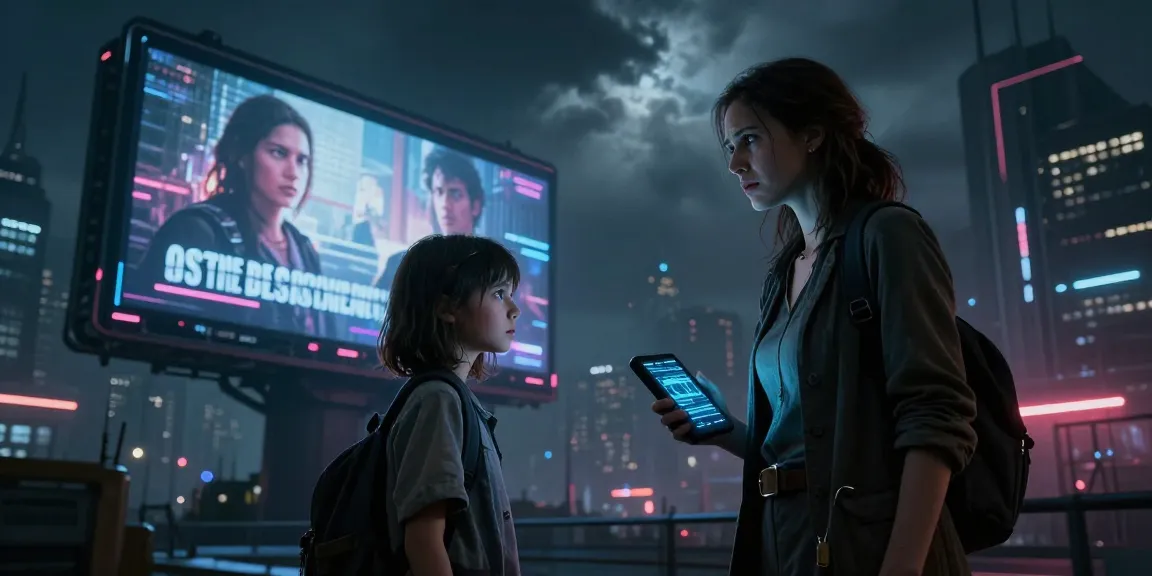
Dystopian literature serves as a powerful lens through which we can explore societal fears and emotional truths. In Richard French’s novel, The Emotion Collector: Awakening, the intricate interplay between maternal relationships and societal control takes center stage, offering readers a thought-provoking narrative that challenges the status quo. As the plot unfolds, it becomes evident how the themes of mother daughter conflict dystopian sci-fi secrets drive the characters’ motivations and decisions, pushing them toward rebellion against an oppressive regime.
Defining Dystopian Sci-Fi in Literature
Dystopian science fiction, often set in bleak and oppressive worlds, focuses on the moral and social implications of technological advancements, government overreach, and the suppression of individuality. Through exaggerated realities, authors reflect contemporary issues and provide commentary that resonates with readers. The genre subverts traditional narratives by exploring how a conformist society can lead to emotional suppression, thus offering a fertile ground for exploring characters’ psychological landscapes.
The Role of Emotions in Dystopian Narratives
Emotions are a central theme in dystopian narratives, often depicted as dangerous and subversive. In The Emotion Collector: Awakening, emotions are not just feelings but survival mechanisms tied to the planet’s health. The Council, which governs this world, harvests emotions, portraying them as contraband and thus strictly controlling their existence. This manipulation reveals the inherent value of emotions, emphasizing that they are essential not only for individual identities but for the very survival of society. This narrative device echoes real-world concerns about emotional suppression, highlighting the consequences of a society dominated by fear and control.
Key Themes: Rebellion and Emotional Suppression
Rebellion against emotional suppression is a recurring theme in dystopian literature. Characters who dare to feel defy the imposed norms, challenging their society’s rigid structures. As readers witness Emma Thorne’s journey, they encounter her struggle to redefine her identity in a world that seeks to strip her of her humanity. This act of rebellion is not merely isolated to Emma; it symbolizes a broader resistance against an authoritarian regime that seeks to control individuals through fear and emotional suppression.
Mother-Daughter Dynamics in Dystopian Fiction
The relationship between mothers and daughters is often fraught with complexity, particularly in dystopian settings. French’s exploration of this relationship in The Emotion Collector: Awakening illustrates how secrets and betrayal can shape these dynamics, driving both conflict and character development. Dystopian narratives frequently use these intimate relationships to expose broader societal issues, revealing how personal struggles are mirrored in the political landscape.
The Complexity of Maternal Relationships
Maternal relationships in dystopian fiction often reflect a blend of love, duty, and betrayal. Emma’s relationship with her mother is defined by a profound betrayal—her mother is complicit in the State’s oppressive policies. Such narratives expose the often hidden tensions in familial bonds, probing questions of loyalty, sacrifice, and the painful truths that can exist between mothers and daughters.
Secrets that Shape Family Dynamics
Secrets play a crucial role in the mother-daughter relationship depicted in The Emotion Collector: Awakening. Emma’s initial ignorance of her mother’s actions and her father’s fate creates a compelling tension that compels readers to consider the effect of secrets on familial bonds. These hidden truths not only create conflict but also serve as a catalyst for character development, forcing individuals to confront their pasts and re-evaluate their allegiances.
Case Studies: Notable Dystopian Novels
Numerous dystopian novels delve into mother-daughter dynamics, showcasing unique conflicts and resolutions. In works like The Handmaid’s Tale by Margaret Atwood, the complexities of maternal love under oppressive regimes are poignantly illustrated. Similarly, Little Brother by Cory Doctorow explores how family ties can become strained in the face of governmental control, emphasizing the resilience required to navigate these relationships within dystopian frameworks.
Exploring Themes of Conflict and Resolution
Identifying Sources of Conflict
Conflict is intrinsic to the narratives of dystopian fiction, particularly within mother-daughter relationships. Common sources of conflict include generational differences, ideological divisions, and the struggle for autonomy. In The Emotion Collector: Awakening, Emma’s conflict with her mother is rooted in the mother’s betrayal and the oppressive values of the regime she supports. This tension illustrates a broader commentary on the often fraught transition between generations and the differing values they hold.
Mechanisms for Resolution in Literature
Resolution in mother-daughter conflicts in dystopian literature often involves a journey toward understanding and forgiveness. Authors may choose to depict reconciliation as a means of overcoming societal strife, illustrating how personal growth can lead to broader societal change. In Emma’s case, her journey toward understanding her mother’s choices and reclaiming her agency creates a powerful narrative arc that resonates with readers.
Real-World Parallels: Emotional Suppression
The exploration of emotional suppression in dystopian fiction reflects real-world issues of mental health and societal expectations. Many readers can draw parallels between Emma’s challenges in navigating her emotions and the pressures faced in today’s world to conform to societal norms. This connection enhances the relevance of stories like The Emotion Collector: Awakening, as they encourage readers to consider how emotional suppression affects their lives and relationships.
Character Development through Conflict
How Conflict Shapes Protagonists
Conflict is a crucial catalyst for character development in any narrative, particularly in dystopian fiction. In The Emotion Collector: Awakening, Emma’s internal and external struggles push her to evolve from a compliant collector of emotions into a rebellious figure fighting against the Council’s oppressive rule. This transformation showcases the resilience of the human spirit, underscoring how characters can reclaim their identities in the face of adversity.
The Growth Arc: From Rebellion to Understanding
Emma’s journey encapsulates a classic growth arc, transitioning from rebellion against her mother and the regime to a deeper understanding of her own identity and emotions. This transformation reflects a broader theme of enlightenment that often resonates with readers in dystopian narratives. It demonstrates that true rebellion often lies in understanding oneself and breaking free from societal constraints.
Impact on the Narrative Flow
The evolution of characters like Emma adds depth to the narrative and enhances reader engagement. By intertwining personal and political conflicts, French creates a multi-layered story that resonates on both an emotional and intellectual level. This complexity enriches the reading experience, encouraging readers to reflect on their feelings and responses to various conflicts.
The Future of Dystopian Sci-Fi in 2026 and Beyond
Emerging Trends in Dystopian Themes
As we look toward the future of dystopian literature, themes of environmental crisis, technological ethics, and social justice are expected to become increasingly prominent. Authors will likely continue exploring mother-daughter dynamics within these contexts, reflecting the complexities of modern relationships against the backdrop of societal upheaval. Readers can expect narratives that challenge them to confront uncomfortable truths about their worlds.
The Role of Technology in Mother-Daughter Relationships
Technology plays a pivotal role in shaping relationships in modern dystopian narratives. In upcoming releases, the impact of technology on communication and emotional expression is likely to be explored further, examining how it can bridge or widen the gap between generations. This exploration will further highlight the emotional nuances inherent in familial relationships.
Predictions for the Next Wave of Dystopian Literature
The next wave of dystopian literature may see characters who harness their emotional intelligence as a form of resistance against oppressive systems. With a focus on emotional resilience, future stories may depict the healing journeys of individuals as they navigate personal conflicts and societal challenges. This shift will likely create a vibrant tapestry of narratives that speak to the power of emotions in the fight for justice and personal freedom.
What Should Readers Expect in Upcoming Releases?
Readers can anticipate a range of narratives that focus on the intersections of personal and political struggles, particularly those rooted in mother-daughter relationships. As more authors delve into the emotional complexities of their characters, we may see stories that not only entertain but also inspire introspection and social change. The exploration of emotional truths will remain paramount, ensuring that these narratives resonate with diverse audiences.
