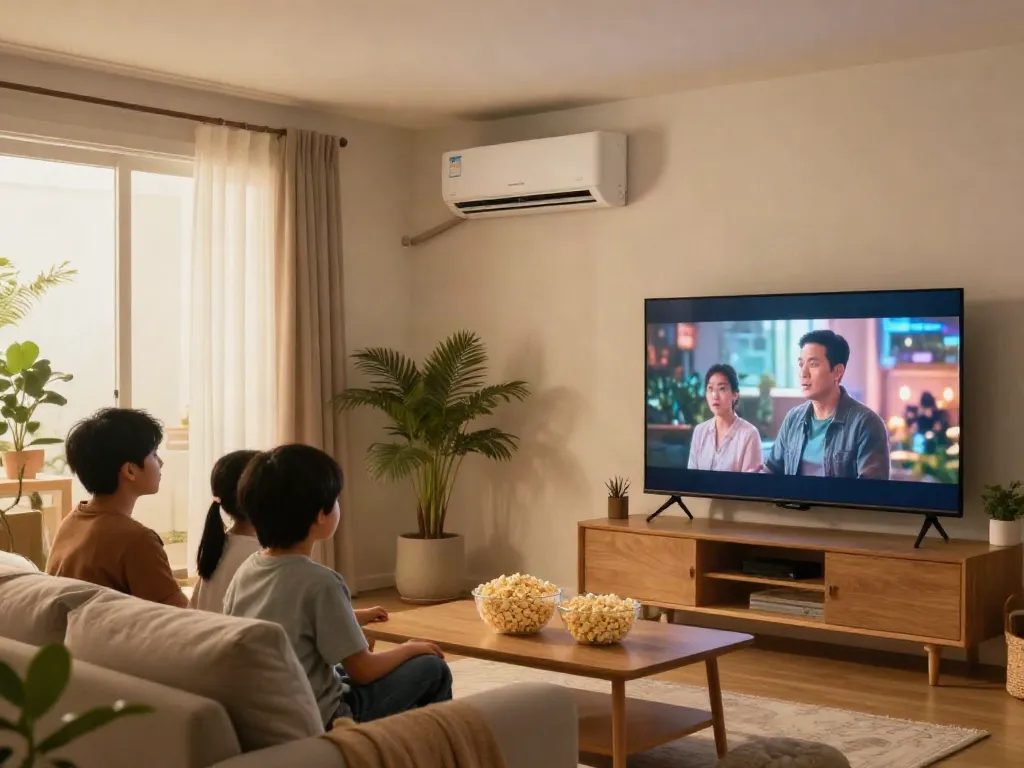
Understanding Ductless Air Conditioner Mini Systems
Ductless air conditioners, specifically mini splits, have become a popular choice among homeowners for providing efficient heating and cooling solutions. These systems operate without the need for ductwork, making them an ideal option for both new constructions and retrofits. As we navigate through 2026, understanding the intricacies of ductless air conditioner mini systems is essential for homeowners looking to enhance their indoor comfort while maintaining energy efficiency.
When exploring options, ductless air conditioner mini systems can offer comprehensive insights into the benefits of going ductless, making them a compelling choice for various residential applications.
What is a Ductless Air Conditioner Mini?
A ductless mini split air conditioner comprises two main components: an outdoor compressor unit and one or more indoor air handling units. Unlike traditional HVAC systems that rely on ductwork to distribute treated air, ductless systems provide localized heating and cooling, allowing for greater flexibility in temperature control across different areas of your home. With advanced inverter technology, these units can also provide both cooling and heating, making them versatile all-year-round solutions.
Key Components of Ductless Systems
- Outdoor Unit: This is the primary engine of the system, containing the compressor and condenser coil. It is installed outside the home and usually mounted on a wall or placed on the ground.
- Indoor Unit(s): These units can be wall-mounted, ceiling-mounted, or even floor-mounted. They distribute conditioned air throughout the space and can be controlled individually for optimized comfort.
- Refrigerant Lines: These lines connect the indoor and outdoor units, allowing refrigerant to flow between them, facilitating heat exchange.
- Remote Control: Most mini split systems come with a remote control, allowing you to adjust temperatures and settings easily from anywhere in the room.
Benefits of Going Ductless in 2026
The advantages of ductless air conditioning systems are numerous, especially in today’s climate of rising energy costs and environmental concerns. Here are some key benefits:
- Energy Efficiency: Ductless systems are designed to consume less energy compared to traditional HVAC systems, often achieving a higher SEER (Seasonal Energy Efficiency Ratio) rating.
- Zone Control: Mini splits allow for different climate zones within your home, which is especially useful in larger spaces where temperature preferences may vary from room to room.
- Easy Installation: Without the need for ductwork, installation is typically less invasive and quicker, reducing labor costs and installation time.
- Improved Indoor Air Quality: Since there is no ductwork, there is significantly less dust and allergens being circulated in your home, leading to better air quality.
Choosing the Right Ductless Air Conditioner Mini for Your Space
Factors to Consider for Selection
When choosing a ductless air conditioner mini, several factors should be taken into account to ensure the system meets your specific needs:
- Cooling Capacity: Measured in BTUs (British Thermal Units), the cooling capacity should correspond to the size of the space you intend to cool.
- Energy Efficiency Ratings: Look for units with high SEER ratings, as they will save you more on energy costs over time.
- Noise Levels: Assess the noise rating of both the indoor and outdoor units, as some models are significantly quieter than others.
- Features: Consider additional features such as programmable settings, Wi-Fi connectivity, and compatibility with smart home systems.
Comparing Different Units and Their Features
As the market for ductless air conditioners continues to grow, it's essential to compare different units. Key features to compare include:
- Multi-Zone Systems: Some systems can support multiple indoor units, allowing you to cool or heat several rooms independently.
- Heating Capabilities: Many mini splits offer heat pump functionality, allowing them to provide both heating and cooling in one system.
- Installation Flexibility: Investigate the various mounting options available to ensure the system can fit your chosen space seamlessly.
How to Assess Your Cooling Needs
Proper assessment of your cooling needs is crucial for choosing the right ductless system. Here are some steps to follow:
- Measure Room Dimensions: Obtain the square footage of the rooms you wish to cool and/or heat.
- Evaluate Heat Sources: Identify any heat-generating appliances or factors such as sunlight exposure that may impact cooling needs.
- Consider Insulation Quality: A well-insulated home will retain cool air better, reducing the load on your air conditioner.
Installation Process for Ductless Air Conditioner Mini Units
Step-by-Step Installation Guide
Installing a ductless mini split air conditioner can be a straightforward process if you follow these steps:
- Plan the Layout: Determine the optimal locations for the indoor and outdoor units taking into consideration factors like accessibility and aesthetics.
- Gather Necessary Tools: Common tools needed include a drill, stud finder, level, and various hand tools for mounting the components.
- Install the Outdoor Unit: Mount the outdoor condenser unit securely on a stable surface, ensuring it is level and adequately ventilated.
- Install the Indoor Unit: Mount the indoor unit according to manufacturer instructions, ensuring proper alignment and securing it to the wall or ceiling.
- Run Refrigerant Lines: Connect the refrigerant lines from the indoor unit to the outdoor unit and ensure there are no leaks.
- Test the System: Once everything is connected, power on the system to test functionality and check for any issues.
Common Installation Challenges
While installation can be relatively simple, there are challenges that may arise, including:
- Inaccessibility: If the chosen location for the outdoor unit is difficult to reach, it may complicate installation.
- Electrical Requirements: Ensure that your home's electrical system can accommodate the new unit, potentially requiring additional work.
- Alignment Issues: Improper alignment of the indoor unit can lead to inefficient cooling and potential noise issues.
Professional vs. DIY Installation: What to Know
Deciding whether to hire a professional or tackle the installation yourself depends on your comfort level and experience:
- Professional Installation: Although it may incur additional costs, professionals guarantee compliance with local codes, safety, and efficiency.
- DIY Installation: If you possess the skills and tools, this could be a cost-effective option. However, ensure that you follow all guidelines carefully to avoid issues.
Maintaining Your Ductless Air Conditioner Mini for Optimal Performance
Routine Maintenance Tips
To keep your ductless mini split running efficiently, implement a regular maintenance schedule:
- Clean the Filters: Filters should be cleaned or replaced every 1-3 months depending on usage and environmental factors.
- Inspect the Outdoor Unit: Regularly check for debris or obstructions around the outdoor unit to ensure proper airflow.
- Check Refrigerant Levels: Have a professional check refrigerant levels annually to avoid performance issues.
Signs Your System Needs Service
Be vigilant for signs that indicate your ductless air conditioner may require service:
- Inconsistent Temperatures: If different areas of your home are at varying temperatures, it may signal an issue.
- Unusual Noises: Strange sounds can indicate that parts are malfunctioning or require lubrication.
- Increased Energy Bills: A sudden spike in energy costs can suggest that your system is not operating efficiently.
Energy Efficiency Practices
To maximize the energy efficiency of your ductless air conditioner mini, consider the following practices:
- Set Temperature Appropriately: Keeping the thermostat set to a moderate temperature will help maintain comfort while saving energy.
- Utilize Zoning: If your system supports multiple zones, utilize them to avoid overheating or overcooling unoccupied rooms.
- Seal Windows and Doors: Preventing air leaks helps maintain your desired indoor climate and reduces the load on your system.
Future Trends in Ductless Air Conditioning
Innovations to Watch in 2026
As technology progresses, significant innovations in ductless air conditioning systems are anticipated, including:
- Smart Technology Integration: Enhanced connectivity with smartphones and smart home systems for easier control and monitoring.
- Advanced Filtration Systems: New filtration technologies that improve indoor air quality, capturing smaller particles and allergens.
- Eco-Friendly Refrigerants: Transition to refrigerants with lower environmental impact, aligning with sustainability goals.
Environmental Benefits of Ductless Systems
Ductless air conditioners are not only energy-efficient but also offer environmental benefits:
- Reduced Energy Consumption: With less energy needed for operation, users contribute to lower greenhouse gas emissions.
- Minimized Refrigerant Leaks: The absence of extensive ductwork reduces the risk of leaks, which can be harmful to the environment.
Consumer Preferences Shaping the Market
The market for ductless air conditioning is evolving based on changing consumer preferences, including:
- Demand for Flexibility: As more consumers seek customizable solutions, manufacturers are responding with systems that offer enhanced zoning capabilities.
- Sustainability Focus: Increasing consumer awareness about environmental issues is pushing companies to develop more eco-friendly products.
- Enhanced Health Consciousness: Consumers are prioritizing air quality, leading to a preference for systems that offer superior filtration and ventilation features.
What are the advantages of ductless air conditioners?
The advantages include energy efficiency, improved indoor air quality, and zoning capabilities, allowing for customized comfort throughout the home.
Can ductless systems heat in winter as well?
Yes, many ductless mini split systems are equipped to function as heat pumps, providing reliable heating even in colder months.
What are the installation costs for ductless air conditioner mini units?
Installation costs can vary widely based on system size and complexity, but on average, homeowners can expect to pay between $1,500 to $4,000 for complete installation.
How do ductless systems compare to traditional HVAC systems?
Ductless systems offer significant advantages, including higher energy efficiency, flexibility in installation, and improved air quality due to the absence of ductwork.
What maintenance is required for ductless air conditioners?
Routine maintenance includes cleaning filters, checking refrigerant levels, and ensuring the outdoor unit is free from debris to maintain optimal efficiency.